
I work with vape hardware in an adult-only retail setting, where I spend much of my time checking pod fit, charging behaviour, airflow, leakage, and the everyday problems people bring back to the counter. That hands-on work has made me cautious about judging a device from its puff figure or packaging alone. I prefer to handle the device, inspect its construction, and see how consistently it behaves before forming an opinion about or any similar high-puff model.
I have seen plenty of devices that looked impressive in the box but became less convincing after several days of ordinary use. I have also handled simple models that performed more consistently than their appearance suggested. That is why I separate marketing claims from the things I can actually observe. A large puff number catches attention, but practical details usually determine whether the hardware feels sensible after the novelty wears off.
I Start With the Physical Design
The first thing I normally examine is the body of the device. I check how the mouthpiece sits, whether the pod or cartridge feels secure, and whether there are obvious gaps around connection points. Even a movement of 1 or 2 millimetres can make a device feel poorly assembled in the hand. I also look around the base because that is where small traces of condensation or liquid often become noticeable first.
Size matters more than photographs suggest. A device may look compact on a product page but feel quite different once it is sitting in a pocket beside keys, a phone, or a wallet. I have had customers return after a few days saying that a device worked this particular vape properly but was bulkier than they expected. That is not necessarily a fault. It is simply a reminder that specifications do not describe the whole experience.
I pay attention to the mouthpiece as well. Some people prefer a narrower shape while others find a broader opening more comfortable, and neither preference tells me much about the underlying quality of the hardware. What matters to me is whether the mouthpiece feels firmly attached and remains comfortable during normal use. Small details become obvious quickly.
That matters.
The Puff Number Is Only an Estimate
A figure such as 6000 puffs sounds very precise, but I never treat a puff count as a guaranteed number of identical draws. People inhale differently. One person may take short draws of roughly 1 or 2 seconds while another takes noticeably longer ones, so their actual experiences with the same device can vary considerably.
I explain this whenever someone focuses heavily on the number printed on a box. Puff estimates are useful for placing products into broad categories, yet they are less useful for predicting exactly how long one individual device will last for one individual user. Battery behaviour, draw length, airflow, liquid delivery, and personal usage patterns all affect the result.
A customer earlier this year was convinced that two supposedly similar devices had dramatically different capacities because one seemed to last longer. After talking through his routine, it became clear that he had been using the second device much less frequently during his working day. Nothing about that conversation proved the manufacturer’s estimate right or wrong. It simply showed why personal usage makes exact comparisons difficult.
I check that first.
For that reason, I see a large advertised puff count as a category label rather than a stopwatch. If I am comparing two devices, I look beyond that figure and consider their physical layout, refill or pod arrangement where applicable, battery behaviour, and consistency. Those characteristics tell me more about how the hardware is likely to feel in regular use.
Consistency Tells Me More Than the First Few Draws
New hardware often feels strongest during its first period of use. That makes an initial impression useful, but incomplete. I am more interested in whether the draw stays predictable after repeated use and whether the device starts producing unusual sounds, excessive condensation, or inconsistent activation.
I have handled devices that seemed excellent for the first 20 or 30 draws before the airflow began feeling uneven. I have seen others remain fairly predictable throughout their useful life. This is one reason I avoid describing a product as excellent simply because its first few draws feel smooth.
Airflow is particularly noticeable because even a small change can alter the experience. If a device uses automatic draw activation, I expect it to respond without requiring an unusually hard pull. I also pay attention to delayed activation because that can make otherwise decent hardware irritating to use.
Condensation deserves a separate mention. A tiny amount around a mouthpiece is different from liquid repeatedly collecting where it should not. During routine checks, I wipe the area clean and see whether moisture returns unusually quickly. That simple observation often tells me more than staring at the packaging for several minutes.
Charging Behaviour Deserves Attention
If the device contains a rechargeable battery, I treat charging as a practical part of the assessment rather than a minor feature. I inspect the charging port for looseness and make sure the cable fits without needing to be held at an awkward angle. A connector that already feels unstable when the device is new raises questions about how it might behave after weeks of regular handling.
I also avoid judging a battery solely from a capacity figure printed in promotional material. Two devices with similar listed capacities can feel different because their electronics, output, and usage patterns differ. Someone taking frequent long draws will naturally put different demands on a battery than someone using the same hardware occasionally.
Heat is another thing I notice. Mild warmth during use or charging can occur with electronic devices, but unusual heat is something I take seriously. If hardware becomes excessively hot, looks damaged, has a swollen casing, or behaves unpredictably, I stop using it rather than trying to squeeze a little more life from it.
Charging cables deserve basic care too. I have seen people continue using connectors with bent ends or damaged insulation because the cable still worked if positioned a certain way. I would rather replace a damaged cable than rely on that sort of setup. It is a small decision with an obvious practical benefit.
I Look Closely at Pods, Seals, and Liquid Handling
Pod-based designs introduce another set of details. I check whether the pod seats firmly and whether its seals appear intact. If there is a removable component, I want it to connect cleanly without excessive force because repeatedly forcing plastic parts together can create problems over time.
I have dealt with occasional cases where someone assumed every drop of moisture around a pod meant a serious leak. Sometimes it was condensation. In other cases, enough liquid was escaping that the pod and connection area needed closer inspection. The distinction becomes easier to make after cleaning the device and seeing how quickly the moisture returns.
Storage position can affect what people notice as well. A device left for several hours in a hot car or carried loosely in a bag may behave differently from one stored normally at room temperature. I would never use a device that appears physically damaged or has been exposed to conditions that may have compromised its battery or liquid container.
I also keep liquid away from electrical contacts as much as possible. If moisture repeatedly appears around a connection point, I see that as a reason to inspect the device rather than simply wiping it forever. Repeated leakage is inconvenient, and it may signal that a pod, seal, or other component is no longer functioning correctly.
Flavour Is Personal, Hardware Performance Is Easier to Judge
People often ask me whether a particular flavour is good, but I treat that as a personal preference rather than a technical verdict. Two experienced users can try the same flavour and come away with completely different opinions. I can describe whether something seems sweeter, cooler, or more intense, but I cannot turn an individual taste preference into an objective quality score.
Hardware performance gives me firmer ground. I can observe whether activation is consistent, whether a pod fits properly, and whether the device develops leakage problems. Those characteristics are easier to discuss than claiming that one flavour is universally better than another.
I once had two regular customers discuss the same flavour at the counter within a few days of each other. One found it too sweet, while the other thought the sweetness was fairly restrained. Both reactions were perfectly plausible. That experience is repeated often enough that I rarely make strong claims about taste.
For people who already use vaping products, I think distinguishing personal preference from observable performance makes product discussions more useful. A device can be mechanically consistent while offering a flavour somebody dislikes, just as an appealing flavour cannot compensate for hardware that repeatedly leaks or activates poorly.
What Makes Me Comfortable With a Device
After handling many pod systems, I have become less impressed by large numbers printed across packaging. I care more about how firmly components fit together, how predictable the draw feels, and whether the device behaves normally throughout repeated use. Four or five small practical observations often tell me more than the headline specification.
I also pay attention to packaging condition and basic product information. Damaged boxes, unclear markings, or hardware that looks tampered with make me cautious. I never assume that a familiar brand name automatically means every individual unit will be free from manufacturing problems.
If something starts behaving strangely, I do not keep forcing it to work. A device that develops unusual heat, physical damage, persistent leaking, or unreliable charging deserves attention rather than repeated experimentation. That approach has saved me plenty of frustration during hardware testing.
My view of any high-puff vape comes down to ordinary details that reveal themselves through use. I would rather have predictable hardware with sensible construction than be impressed by a large number on the front of a box. After spending enough time handling these devices, that practical consistency is the part I remember.

Kratom Omaha has become a topic of increasing interest among residents looking for natural wellness alternatives. This Southeast Asian plant, known scientifically as Mitragyna speciosa, has been embraced in Omaha for its potential benefits ranging from pain relief to mood enhancement. As kratom Omaha gains traction, more people are exploring its uses and understanding the legal and health aspects surrounding this botanical product.
In recent years, kratom Omaha has seen a surge in availability, with several local vendors offering a variety of strains. Each strain provides different effects, such as energizing, relaxing, or pain-relieving properties. The growing kratom Omaha market reflects a broader national trend where individuals seek herbal supplements as part of holistic health regimens. For many in Omaha, kratom serves as an alternative to conventional medications, particularly for those managing chronic conditions or seeking natural ways to boost their well-being.
One key aspect driving kratom Omaha’s popularity is the community’s interest in natural remedies. Omaha residents who prefer plant-based solutions often turn to kratom for its reported benefits. Local kratom Omaha shops emphasize the importance of sourcing high-quality kratom from trusted suppliers to ensure safety and effectiveness. This focus on quality control helps build trust among Omaha users and supports responsible consumption practices.
Education about kratom Omaha is essential for new users. Many Omaha-based vendors and wellness practitioners provide resources explaining how to use kratom safely and effectively. Because kratom interacts differently depending on the dosage and individual body chemistry, kratom Omaha experts encourage beginners to start with low doses and monitor their reactions. This approach helps prevent adverse effects and promotes a positive experience with the herb.
The legal status of kratom Omaha plays a significant role in its accessibility. Currently, kratom is legal in Nebraska, including Omaha, which allows residents to purchase and use kratom without fear of legal repercussions. However, kratom Omaha advocates stay vigilant as regulations could evolve. Community members often engage in dialogues with lawmakers to ensure that kratom remains available for those who benefit from its use. This active participation highlights the importance of kratom Omaha within the local wellness landscape.
Kratom Omaha is also becoming a part of social and cultural conversations. Many users share their experiences on social media and local forums, contributing to a growing body of knowledge about kratom’s effects and benefits. These discussions help demystify kratom Omaha, making it more approachable for curious individuals. Furthermore, kratom Omaha enthusiasts often connect to exchange tips on strains, vendors, and usage, fostering a supportive community.
In addition to its wellness applications, kratom Omaha is contributing to local business growth. Specialty stores that cater to kratom Omaha consumers have emerged, offering products like powders, capsules, and extracts. These businesses often serve as hubs for education and community engagement. By supporting kratom Omaha shops, residents contribute to a thriving local economy while gaining access to products that meet their health needs.
Health professionals in Omaha are beginning to recognize kratom as part of a broader conversation about integrative medicine. While scientific research on kratom is still evolving, some practitioners in Omaha are open to discussing kratom as an adjunct therapy for pain management and anxiety. This gradual acceptance helps normalize kratom Omaha within the healthcare community, potentially leading to more research and better guidance for users.
Safety remains a priority in the kratom Omaha community. Local vendors and advocates emphasize the importance of purchasing kratom from reputable sources that provide lab testing and quality assurance. Kratom Omaha users are advised to avoid products contaminated with harmful substances. This commitment to safety protects consumers and reinforces the credibility of kratom Omaha as a valuable natural supplement.
Looking forward, kratom Omaha is poised for continued growth as awareness spreads. Efforts to educate the public, ensure product quality, and advocate for legal protections are shaping a positive future for kratom in Omaha. Residents interested in exploring natural health options are increasingly turning to kratom Omaha as a versatile and promising botanical aid.
In conclusion, kratom Omaha represents a unique intersection of tradition, wellness, and community engagement. Its rising popularity reflects broader trends toward natural health solutions and informed consumer choices. Whether for pain relief, mood enhancement, or general wellness, kratom Omaha offers an accessible and intriguing option for Omaha’s health-conscious residents. As the community continues to learn and grow, kratom Omaha will likely remain a significant part of the local natural health landscape.
In recent years, the wellness industry has witnessed a significant shift towards natural remedies and holistic health solutions. Among the emerging leaders in this space is Quiet Monk CBD, a company that has steadily gained recognition for its high-quality cannabidiol products. As more people search for alternatives to traditional pharmaceuticals, Quiet Monk CBD provides a trustworthy option rooted in nature and backed by science.
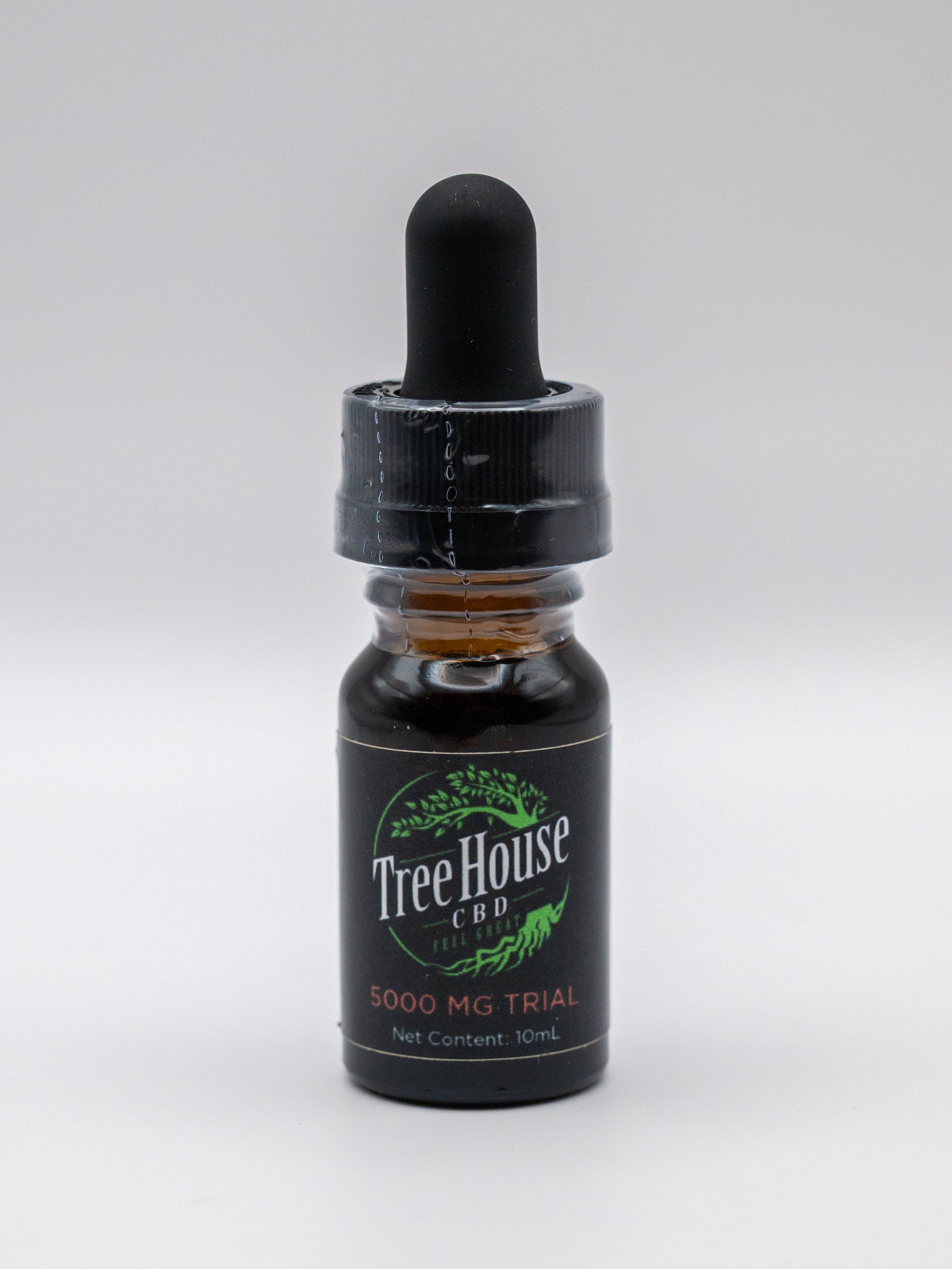
Quiet Monk CBD was founded on the principle of offering safe, effective, and affordable CBD products to help people improve their quality of life. The brand emphasizes transparency, third-party testing, and customer education, which sets it apart from the crowded CBD marketplace. With a commitment to quality and consistency, Quiet Monk CBD has built a loyal following of customers who appreciate their honest approach.
One of the defining characteristics of Quiet Monk CBD is its use of organically grown hemp sourced from the United States. Unlike some competitors that may use imported or chemically treated hemp, Quiet Monk CBD ensures that its plants are cultivated without pesticides or harmful additives. This commitment to clean sourcing enhances the purity and potency of every product, allowing customers to experience the full benefits of CBD.
Quiet Monk CBD offers a wide range of products to suit various lifestyles and preferences. From full-spectrum tinctures and THC-free gummies to soothing topicals and roll-ons, the company caters to both newcomers and experienced users alike. Each item is carefully crafted to deliver targeted relief, whether it’s for anxiety, inflammation, sleep issues, or general wellness. The versatility of the Quiet Monk CBD product line ensures that there’s something for everyone.
Customers who choose Quiet Monk CBD often highlight the brand’s transparency as a key reason for their loyalty. Every product comes with accessible lab results, showing the cannabinoid profile, potency, and purity. These third-party lab tests are a cornerstone of the Quiet Monk CBD philosophy, giving consumers confidence that they are getting exactly what the label promises—nothing more, nothing less.
In a competitive and often confusing CBD market, Quiet Monk CBD distinguishes itself by providing clear, straightforward information about how to use its products. Whether someone is trying CBD for the first time or looking to adjust their dosage, Quiet Monk CBD offers educational resources and responsive customer support to guide them. This personalized approach helps demystify CBD, empowering individuals to make informed choices about their health.
Another reason Quiet Monk CBD is gaining traction is its affordability. While many premium CBD brands charge high prices for similar products, Quiet Monk CBD maintains a balance between quality and cost. By keeping prices reasonable without sacrificing effectiveness, the brand makes wellness more accessible. This inclusive pricing strategy reflects the company’s belief that everyone deserves a chance to live better naturally.
The team behind Quiet Monk CBD also prioritizes sustainability and responsible business practices. Packaging is designed to be minimal and eco-friendly, and the company continually explores ways to reduce its environmental impact. For socially conscious consumers, Quiet Monk CBD offers the assurance that their purchase supports a company with ethical values and a long-term vision for health and environmental stewardship.
Customer testimonials about Quiet Monk CBD frequently mention improved sleep, reduced anxiety, and enhanced physical comfort. While individual results vary, the consistency of positive reviews speaks to the effectiveness of the products. Many users have switched from prescription medications or over-the-counter painkillers to Quiet Monk CBD, citing fewer side effects and a more natural feeling of well-being.
Quiet Monk CBD also plays an active role in the wider community, frequently participating in events, offering discounts to veterans and first responders, and supporting educational initiatives. This community-centered approach aligns with the company’s mission to not only sell products but to promote a broader culture of wellness and mindfulness. Through outreach and engagement, Quiet Monk CBD extends its impact far beyond commerce.
For those who are cautious about entering the world of CBD, Quiet Monk CBD offers a gentle and trustworthy starting point. The brand’s easy-to-navigate website, helpful FAQs, and responsive team make the process approachable and stress-free. Whether shopping for personal use or seeking a gift for a loved one, customers can feel secure in choosing Quiet Monk CBD for its integrity and effectiveness.
Looking ahead, Quiet Monk CBD shows no signs of slowing down. As consumer demand for natural wellness solutions continues to grow, the company is well-positioned to expand its product offerings and reach new audiences. With a strong foundation built on trust, quality, and community, Quiet Monk CBD is poised to remain a leader in the wellness space for years to come.
In summary, Quiet Monk CBD has emerged as a standout brand in the crowded cannabidiol industry, offering products that combine purity, effectiveness, and affordability. With a deep commitment to transparency, customer support, and social responsibility, Quiet Monk CBD is not just selling CBD—it’s helping people live better, naturally. For anyone exploring the benefits of CBD, Quiet Monk CBD is a name worth remembering.
Over the past decade, THC Edibles have transformed the way people experience cannabis. No longer limited to smoking or vaping, cannabis enthusiasts and medical patients alike are embracing a more discreet, flavorful, and controlled method of consumption. THC edibles offer a new level of convenience and precision in dosing, making them a favorite for both recreational users and those seeking therapeutic effects.
At their core, THC edibles are food products infused with tetrahydrocannabinol (THC), the main psychoactive compound found in cannabis. These products range from gummies, chocolates, and cookies to more inventive creations like infused beverages, savory snacks, and even full meals. The appeal of THC edibles lies not just in their variety but also in the way they affect the body. Unlike smoking, which delivers THC to the bloodstream rapidly through the lungs, edibles must be digested and metabolized by the liver. This process converts THC into 11-hydroxy-THC, a more potent compound that often results in a deeper, longer-lasting high.
For many, the allure of THC edibles stems from their discreteness and ease of use. Consuming a gummy or a piece of infused chocolate is far more subtle than lighting a joint or using a vaporizer. This has made THC edibles especially popular among individuals who wish to enjoy cannabis in public settings or in environments where smoking is prohibited. Additionally, the absence of smoke or vapor makes edibles an appealing choice for health-conscious users who prefer not to inhale substances.
However, the potency and delayed onset of THC edibles also require careful consideration. Since they can take anywhere from 30 minutes to two hours to take effect, it’s easy for inexperienced users to consume too much too soon. This is why proper labeling, responsible dosing, and education around THC edibles are crucial. Beginners are often advised to start with a low dose, typically 2.5 to 5 milligrams of THC, and wait several hours before consuming more. This “start low and go slow” approach helps avoid unpleasant experiences, such as anxiety or overwhelming intoxication.
The legal landscape has played a significant role in the rise of THC edibles. In states and countries where cannabis has been legalized, the market for edibles has exploded, driven by innovation, branding, and consumer demand. Legal regulations often require strict testing for THC content, ensuring consistency and safety in each product. These guidelines have helped legitimize the use of THC edibles and foster trust among consumers. As a result, edibles have become a mainstream product, available in licensed dispensaries and crafted by professional chefs and food scientists.
Medical cannabis patients also find significant value in THC edibles. For individuals dealing with chronic pain, insomnia, nausea, or anxiety, edibles offer sustained relief without the need for frequent re-dosing. The long-lasting effects of THC edibles make them ideal for managing symptoms throughout the day or night. Moreover, edibles can be a suitable alternative for patients who cannot tolerate smoke or who require a consistent dosage over time.
The variety in THC edibles continues to expand, with producers constantly pushing the boundaries of flavor and functionality. Today’s edibles include vegan, gluten-free, and sugar-free options to cater to different dietary needs. Some manufacturers are also infusing THC edibles with other cannabinoids, like CBD or CBN, to create tailored effects such as relaxation, sleep support, or increased focus. The ability to customize the cannabis experience through edibles has opened up new possibilities for both recreational and medical use.
While the benefits are numerous, consumers should also be aware of the challenges associated with THC edibles. Overconsumption remains a common issue, particularly among those unfamiliar with their delayed onset. It’s important to store THC edibles safely, especially in households with children or pets, as the products can look like regular snacks or sweets. Responsible use and proper storage are key to enjoying these products safely and avoiding unintended consequences.
As research into cannabis continues, scientists are gaining a deeper understanding of how THC edibles interact with the body. New technologies are being developed to enhance bioavailability, speed up onset times, and create more predictable experiences. Nanoemulsion techniques, for example, are being used to create fast-acting THC edibles that bypass traditional digestion, leading to effects within 10 to 15 minutes. These innovations may redefine how consumers engage with cannabis and improve the reliability of edible products.
In conclusion, THC edibles represent a dynamic and evolving segment of the cannabis industry. Their versatility, discretion, and long-lasting effects make them a compelling option for a wide range of users. Whether for recreation or medicinal purposes, THC edibles provide a flavorful and effective way to experience cannabis without the need for smoke. As the market matures and education improves, edibles will likely continue to grow in popularity and sophistication, offering more choices and better experiences for everyone.
Marijuana, also known as cannabis, is a plant that has been used by humans for thousands of years for medicinal, recreational, and industrial purposes. In recent decades, it has become a significant topic of discussion worldwide due to changing legal policies, growing scientific research, and shifting public attitudes. This article explores the history, uses, effects, and the evolving legal status of Marijuana.
Historical Background
The use of marijuana dates back at least 5,000 years. Ancient cultures in Asia, particularly in China and India, utilized cannabis for medicinal and spiritual purposes. Historical texts describe its use in treating pain, inflammation, and other ailments. Over time, cannabis spread to the Middle East, Africa, and eventually Europe, where it was also cultivated for fiber production.
In the United States, marijuana was used in the 19th and early 20th centuries as a treatment for various conditions and as an ingredient in some medicines. However, its recreational use and association with certain social groups led to increasing regulation and eventual prohibition during the early 20th century, culminating in the Marijuana Tax Act of 1937, which effectively banned it nationwide.
The Plant and Its Components
Marijuana comes from the Cannabis genus, which includes several species, the most common being Cannabis sativa, Cannabis indica, and Cannabis ruderalis. The plant contains more than 100 chemical compounds called cannabinoids, with the two most prominent being tetrahydrocannabinol (THC) and cannabidiol (CBD).
-
THC is the primary psychoactive component responsible for the “high” associated with marijuana.
-
CBD is non-psychoactive and has gained popularity for its potential therapeutic effects without intoxication.
The plant’s leaves, flowers, and resin are used in various forms, including dried flower buds for smoking, oils, edibles, tinctures, and topicals.
Medicinal Uses
Medical marijuana has become a prominent area of research and application. It is used to alleviate symptoms in a variety of conditions, including:
-
Chronic pain
-
Multiple sclerosis
-
Epilepsy (notably with CBD-based medications)
-
Nausea and vomiting associated with chemotherapy
-
Anxiety and post-traumatic stress disorder (PTSD)
Many patients report relief from symptoms that conventional medications do not adequately address. While research is ongoing, marijuana’s potential as an alternative or adjunct therapy is gaining recognition in the medical community.
Recreational Use and Effects
Recreational marijuana use is primarily aimed at experiencing its psychoactive effects. THC interacts with the brain’s endocannabinoid system, producing altered perception, euphoria, relaxation, and sometimes heightened sensory awareness.
However, marijuana’s effects can vary widely among individuals and depend on the strain, dosage, and method of consumption. Common effects include:
-
Euphoria and relaxation
-
Altered time perception
-
Increased appetite (often called the “munchies”)
-
Impaired short-term memory and coordination
-
Anxiety or paranoia in some users
Long-term or heavy use can have adverse effects such as impaired cognitive function, respiratory issues (from smoking), and potential dependency in a minority of users.
Legalization and Regulation
Marijuana’s legal status has evolved dramatically over the past few decades. Initially prohibited worldwide under various international treaties, many countries and states have started to relax laws surrounding its use.
-
Medical legalization: Many regions have legalized marijuana for medical use, allowing patients to access cannabis under medical supervision.
-
Recreational legalization: A growing number of jurisdictions have legalized recreational marijuana, creating regulated markets for adult use.
This shift is driven by changing public opinion, recognition of the failure of prohibition policies, and potential economic benefits from taxation and job creation in the cannabis industry.
Despite legalization in some places, marijuana remains illegal at the federal level in many countries, creating complex legal and regulatory challenges, especially regarding banking, interstate commerce, and employment law.
Social and Economic Impact
The legalization and commercialization of marijuana have generated significant economic opportunities, including cultivation, processing, retail, and ancillary industries such as technology and marketing.
Socially, legalization efforts have also sparked conversations about criminal justice reform, as many advocates argue that prohibition disproportionately affected minority communities. Expungement of past marijuana-related convictions is part of ongoing reforms in some areas.
Future Outlook
The future of marijuana appears to be one of increasing acceptance and integration into society. Scientific research continues to expand our understanding of cannabis’s medical benefits and risks, potentially leading to more targeted therapies and safer consumption methods.
Technological innovations, such as precise cannabinoid extraction and delivery systems, may improve the safety and efficacy of marijuana-based products.
At the same time, ongoing public health efforts focus on educating users about responsible consumption, preventing youth access, and studying the long-term effects of marijuana use.
Conclusion
Marijuana is a complex plant with a long history and multifaceted roles in medicine, recreation, and industry. As legal landscapes change and research progresses, society continues to grapple with balancing the benefits and risks associated with its use. Whether as a therapeutic agent or a recreational substance, marijuana’s influence on culture, health, and the economy is undeniable and poised to grow in the years ahead.
A Marijuana Dispensary is a place where cannabis products are sold to consumers. It is similar to a pharmacy in that both sell health-related products, but a marijuana dispensary focuses on marijuana. These dispensaries may be recreational or medical. This type of shop has become increasingly popular, and many states have legalized the use of marijuana for medicinal purposes.
When visiting a dispensary, customers will be required to show identification to purchase any products. This helps ensure that people are of legal age to purchase the product and to protect against illicit trafficking and illegal distribution. Additionally, some dispensaries will have a security guard that can check IDs and verify that visitors are legally able to buy marijuana in the state.
In addition to a plethora of cannabis products, many dispensaries also offer educational materials and classes to help educate people about the various ways to consume marijuana. This can be very helpful for new cannabis users who aren’t sure what they want to do or how to do it. Ultimately, the goal of a dispensary is to provide cannabis products and services to its customers in an efficient manner and to make the experience as pleasant as possible for all parties involved.
Licensed New York Dispensaries
As the most recent licensee in Lower Manhattan, this NYC-based dispensary is a true connoisseur’s paradise. Visitors are met with a team of bud tenders who exude genuine kindness and expertise. The budtenders are dedicated to understanding patrons’ needs and guiding them towards the perfect product for their desired effects. Not only is the staff impressive, but the selection of high-quality edibles and flowers is exemplary, with an ounce of flower starting at $50.
The ambiance at MedMen is unmistakable: A stark contrast to the quintessential dispensary ambiance, the store is sleek and minimal. Most of its inventory is neatly displayed behind glass, which allows customers to easily view and navigate their options. The selection is expansive, with a diverse range of premium brands like Issavibe, Smokiez, 1906, Rove, Tyson 2.0, and Chef for Higher.
As a full-service cannabis experience, this New York-based dispensary offers educational tours of their space and cultivation facility. Their experienced budtenders will teach you about all aspects of the cannabis industry. They will explain the different products that they carry and help you find the right cannabis for your needs and preferences. They can even recommend strains that match your lifestyle and activity level. They will also answer any questions that you might have and can even offer you a sample of their product! They offer a wide variety of products, including edibles, concentrates, and topicals. They also have a variety of delivery options. They will deliver anywhere in the state of New York. Their website is updated frequently, so check back often to see what’s new! The best part is that they also offer a rewards program, so sign up for the newsletter to receive special deals and offers.